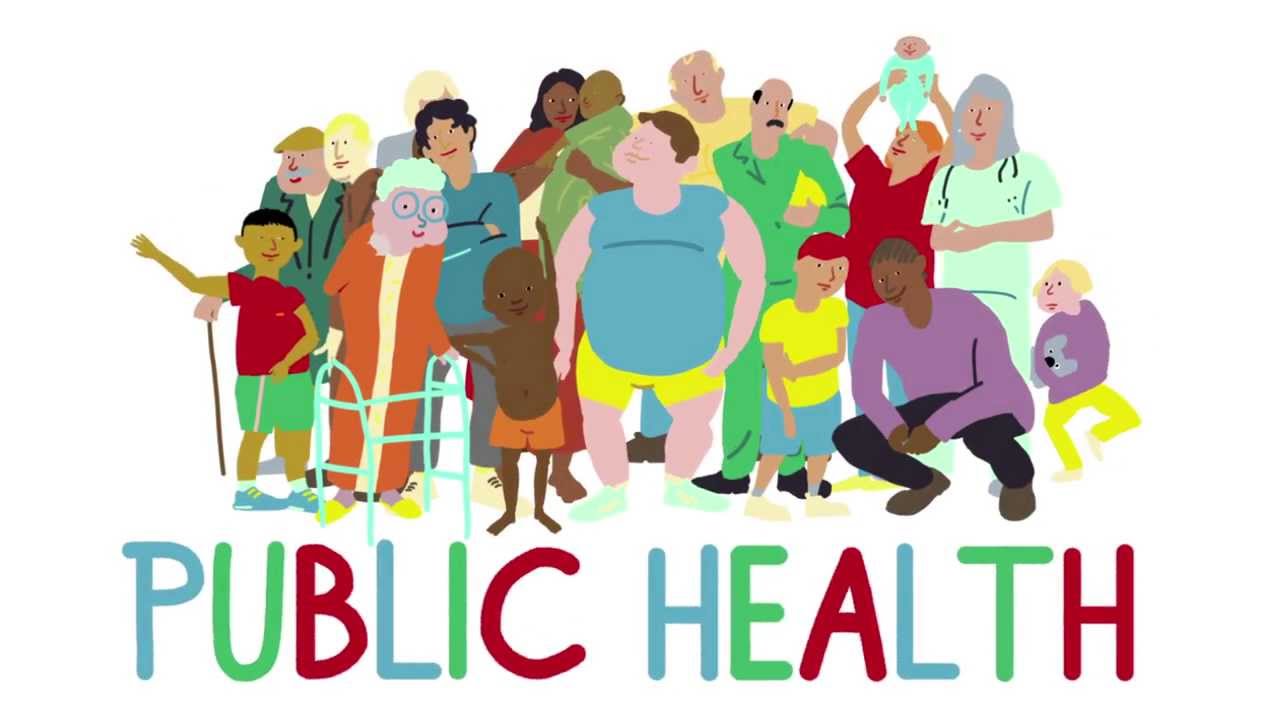
Master in Public Health

The Master of Public Health program equips students with essential knowledge and skills in areas like Epidemiology, Biostatistics, Health Policy, Innovation, and Healthcare Monitoring. It fosters technological awareness and social responsibility to advance health management. Globally, preventable diseases remain a major challenge—non-communicable ones like diabetes dominate in developed nations, while Africa faces a high burden of communicable diseases like malaria and HIV/AIDS. The program emphasizes addressing these disparities and fostering solutions for global and local healthcare challenges.

Learning Outcomes

On completion of this postgraduate programme, participants will be able to demonstrate comprehensive knowledge and understanding of theory and practice in the core public health disciplines of epidemiology, biostatistics, environmental health, social and behavioural sciences e.g. Social inequalities in health and service use. Students will be able to:

  • Inform, educate, and empower communities about health issues and engage critically with current public health issues and debates.
  • Think in a critical, reflective way and to take effective action in addressing priority public health problems.
  • Design, develop and implement community empowerment projects with specific leadership capacity to mobilize community participation with regard to health problems.
  • Evaluate health services and programmes, and institute changes required to improve their functioning.
  • Conceptualise, plan and conduct advanced research in Public health.
  • Critically evaluate published studies on public health problems.
  • Collaborate with other health professionals on public health issues providing consultancy services where appropriate. 

Core courses

  1. Epidemiology I
  2. Foundations of Public Health
  3. Biostatistics 1
  4. Research Methods
  5. Leadership and Management
  6. Public Health Ethics and Research
  7. Fundamentals of Social and Behavioral Science
  8. Environmental and Occupational Health

Track one: Management of Health Systems

  1. Health Economics and Finance
  2. Health Policy and Management
  3. Health Communication and Informatics
  4. Health Care System and Public Health
  5. Maternal and Child Nutrition
  6. Public Health Seminar and Field Workshop
  7. Health Psychology and Counseling
  8. Research Thesis

Epidemiology and Disease Prevention

  1. Applied Epidemiology 2
  2. Interventional Epidemiology Methods/ Clinical Trials
  3. Biostatistics 2
  4. Environmental Toxicology and Health
  5. Public Health Seminar and Field Workshop
  6. Demography and Population Dynamics
  7. Qualitative Data Analysis
  8. Food Borne Risk Analysis
  9. Research Thesis

Health Promotion and International Health

  1. Health Communication and Information Systems
  2. Monitoring and Evaluation
  3. Public Health as A Team Sport
  4. Globalization and Health
  5. Health Policy and Management
  6. Emergency Preparedness
  7. Public Health Seminar and Field Workshop
  8. Economic Evaluation and Decision-Making In Health
  9. Business Planning for Public Health
  10. Research Thesis       

Admission Requirements

  • O-levels – 6 credits or better score in 5 subjects, including Maths, English, 2 science subjects, and 1 arbitrary.
  • National Students – NRC/Zambian Passport
  • International Students – Passports
  • Application fee of 250 ZMW/25 USD
  • Scanned copies of Bachelor’s degree and official transcripts (accredited by HEA) or CV with previous working experience in health science related field.

Requirements

Requirements for a masters degree in public health include:

1 . Medicine (MBChB) or its equivalent.

2 . Bachelors in Veterinary Medicine.

3 . Bachelor’s degree in health-related sciences (as a BSc requirement) including any biological or life sciences related BSc with credit or higher.

4 . Bachelor’s Degree in Social Sciences (BA or BSc) with Merit or higher and some health service experience.